By Brandie Ruark, FNP-C, Peak Health & Fitness
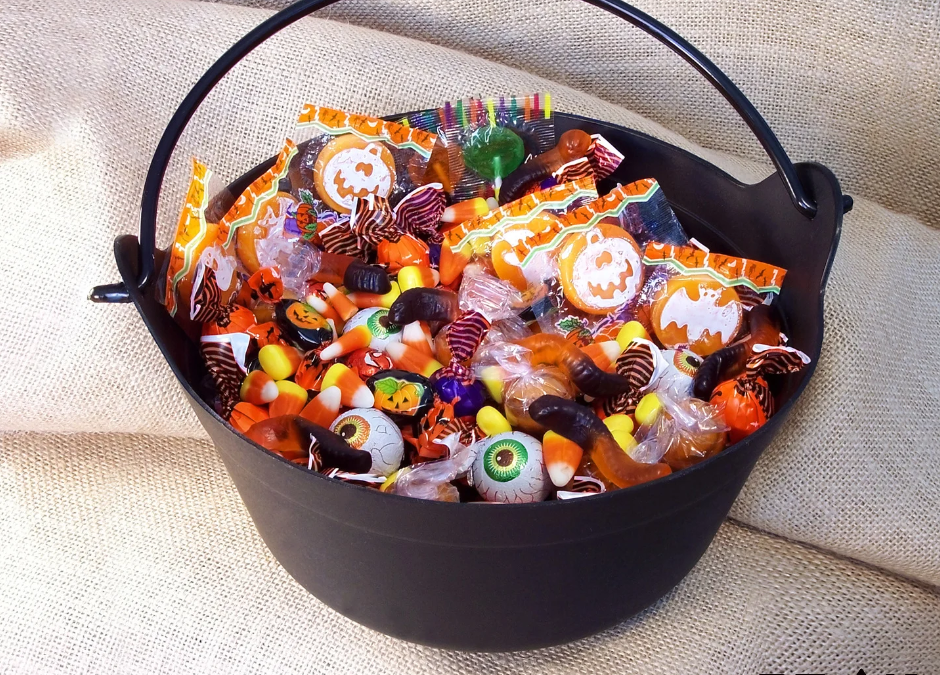
Halloween may be over, yet the candy often sticks around for days or even weeks. A bowl of miniature candy bars on the kitchen counter, a stash of treats in the pantry, or a few pieces left in a child’s trick-or-treat bag can become daily temptations. Reaching for a piece here and there may not seem significant, although those small choices can add up quickly when they become a habit.
Enjoying candy occasionally is not inherently unhealthy. The challenge is learning how to enjoy these foods intentionally without allowing mindless snacking, cravings, or easy access to sweets to interfere with your health goals. A healthy lifestyle does not require perfection or the complete elimination of foods you enjoy. It does require an understanding of how your choices affect your overall nutrition, energy balance, and metabolic health.
Why Leftover Candy Can Be So Tempting
Candy is specifically formulated to taste good. The combination of sugar, fat, flavor, and texture can make it highly rewarding, encouraging us to reach for another piece even when we are not physically hungry.
Environmental cues also play an important role. Seeing candy on the counter or walking past an open bowl repeatedly reminds us that it is available. Over time, the sight of a familiar treat can trigger the desire to eat, even when the body does not need additional energy.
Stress, fatigue, boredom, and disrupted routines can make these urges more difficult to manage. When we are tired or overwhelmed, eating something sweet may provide a quick sense of pleasure or comfort. The behavior can become automatic, making it easy to consume several pieces without consciously deciding to do so.
Recognizing these influences is the first step toward changing the pattern. Cravings are normal, and experiencing one does not mean you lack discipline. Learning to pause, identify the trigger, and make a deliberate choice can help you regain control over your eating habits.
Sugar, Blood Glucose, and Metabolic Health
Most traditional Halloween candy contains added sugar and provides relatively little fiber, protein, or other nutrients. Depending on the type and amount consumed, candy can contribute a substantial number of calories without providing much lasting fullness.
When you eat candy, the carbohydrates are digested and absorbed, contributing to an increase in blood glucose. Your body responds by releasing insulin, which helps move glucose into cells for energy or storage. The magnitude of this response depends on several factors, including the portion consumed, the type of candy, and what else you have eaten.
Eating a small amount of candy occasionally is generally compatible with a healthy diet for most people. Frequently consuming large amounts of added sugar, however, can make it more difficult to maintain a balanced dietary pattern and manage overall calorie intake. Over time, excessive intake may contribute to weight gain and increase cardiometabolic risk, particularly when it displaces nutrient-dense foods.
Candy is especially easy to underestimate because individual pieces are small. A single miniature chocolate bar may seem insignificant, yet several pieces throughout the day can add up to a meaningful amount of added sugar and energy.
For individuals managing insulin resistance, prediabetes, diabetes, or weight-related concerns, paying attention to both portion size and frequency can be particularly important. The goal is not to fear sugar or treat one piece of candy as a health setback. The goal is to understand how these choices fit into your overall dietary pattern.
Mindful Eating: Pause Before You Reach for Another Piece
Mindful eating means paying attention to what, why, and how you eat. Instead of eating automatically, you create an opportunity to make a conscious decision about whether a food is something you genuinely want.
Before reaching for leftover candy, take a moment to ask yourself a few questions:
- Am I physically hungry, or am I bored, stressed, tired, or simply responding to a visual cue?
- Do I genuinely want this particular treat, or am I eating it because it is available?
- Will eating it now feel satisfying, or am I likely to continue reaching for more without really enjoying it?
These questions are not intended to make eating complicated. They help interrupt automatic behaviors and bring your attention back to the present moment.
If you decide you want candy, choose a small portion, put it on a plate, and sit down to enjoy it. Eat slowly enough to notice the taste and texture. Avoid eating directly from a large bag or container, where it becomes difficult to recognize how much you have consumed.
Give yourself permission to enjoy the treat without guilt. Mindful eating is not about judging food choices as good or bad. It is about making those choices intentionally and recognizing when you have had enough.
Practical Strategies for Managing Leftover Halloween Candy
Remove the constant visual reminder.
Keeping candy in plain sight makes it easier to eat without thinking. Store remaining treats in an opaque container inside a cabinet or pantry rather than leaving them on the kitchen counter or desk. Reducing visual cues can help limit unnecessary snacking without requiring constant willpower.
Decide on your portion before you start eating.
Rather than repeatedly reaching into a candy bowl throughout the day, choose the amount you intend to enjoy and put the rest away. A small, deliberate serving makes it easier to remain aware of your intake. There is no universal portion that is appropriate for everyone, although keeping the amount modest is a practical starting point.
Avoid skipping meals to compensate for treats.
Skipping breakfast or lunch because you ate candy the previous evening can leave you excessively hungry later in the day. That hunger may make cravings and overeating more likely. Return to your regular eating routine, emphasizing protein, vegetables, fruit, fiber-rich carbohydrates, and healthy fats.
Build balanced meals that support satiety.
Meals containing adequate protein and fiber tend to provide more sustained fullness than meals consisting primarily of refined carbohydrates. Eggs, Greek yogurt, lean meats, beans, vegetables, whole grains, nuts, and fruit can all contribute to a balanced dietary pattern. Eating consistently throughout the day may also make it easier to distinguish physical hunger from the desire to snack out of habit.
Create a pause between the craving and the decision.
When an urge for candy appears, take a few minutes before acting on it. Drink some water if you are thirsty, step away from the kitchen, take a short walk, or return to the task you were doing. The purpose is not to suppress every craving. It is to give yourself enough time to determine whether you actually want the candy.
Keep your goals bigger than a single food choice.
One piece of candy does not undo a healthy lifestyle, just as one nutritious meal does not establish one. Your overall habits matter far more than any isolated decision. Focus on the patterns you repeat most often, including your food choices, physical activity, sleep, stress management, and consistency.
Have a plan for the remaining candy.
If you know that keeping a large supply of sweets at home makes portion control difficult, consider sharing individually wrapped treats with friends or family, setting aside a small amount to enjoy over time, or removing the excess from your home. You do not need to finish the candy simply because it is there. Food does not have to be consumed to avoid waste, particularly when keeping it encourages a pattern you are trying to change.
Can Candy Fit Into a Healthy Diet?
Yes. For most people, a healthy dietary pattern can include occasional sweets. The important distinction is between an intentional treat and a frequent source of excess added sugar.
The Dietary Guidelines for Americans recommend limiting added sugars to less than 10% of total daily calories for individuals ages two and older. For someone consuming 2,000 calories per day, that equates to fewer than 200 calories from added sugar, or approximately 50 grams. This is an upper limit, not a target to reach, and individual nutritional needs vary.
Candy can use up a meaningful portion of that allowance quickly. Some treats contain only a few grams of added sugar, while others contain considerably more. Checking nutrition labels and paying attention to serving sizes can help you understand what you are consuming.
The larger point is that candy should remain a relatively small part of your overall diet rather than a daily staple that crowds out more nourishing foods. Prioritizing protein, fiber, healthy fats, fruits, vegetables, and minimally processed foods supports nutritional adequacy and can help you maintain a dietary pattern that supports long-term health.
A healthy relationship with food also means avoiding an all-or-nothing mindset. Strictly forbidding a particular food can make it feel more desirable for some people, potentially contributing to cycles of restriction and overeating. A flexible approach that emphasizes balance, awareness, and appropriate portions is often more sustainable than relying on rigid rules.
What If You Are Trying to Lose Weight?
Leftover Halloween candy can be particularly challenging when you are working toward weight loss. Small, unplanned snacks may seem insignificant, yet frequent grazing can contribute to a calorie intake that exceeds your needs.
For example, eating a few miniature candy bars each afternoon may become a routine that adds energy to your diet without making you feel substantially fuller. You do not necessarily need to eliminate the candy entirely. Instead, consider whether you would prefer to include a small portion intentionally or whether keeping it readily available makes it harder to stay consistent with your goals.
Weight management involves more than simply counting calories. Adequate protein intake, preservation of lean muscle, regular resistance training, quality sleep, stress management, and sustainable nutrition habits all play important roles. The most effective approach is one you can maintain over time, not one that requires you to feel deprived every day.
If cravings seem unusually strong or you find yourself repeatedly eating beyond your intentions, consider whether you are eating enough during the day, getting adequate sleep, or using food to cope with stress. Persistent difficulties may warrant a more individualized discussion with a qualified healthcare professional or registered dietitian.
The Bottom Line: Make the Choice, Rather Than Letting the Habit Make It for You
The days following Halloween offer a useful opportunity to evaluate your eating habits. Are you eating candy because you truly enjoy it, or because it is available every time you walk through the kitchen? Are you hungry, or are you responding to boredom, stress, or routine?
You do not need to approach every food choice with anxiety or turn an occasional treat into a source of guilt. A healthier approach is to recognize that your daily habits influence your long-term health and that small, repeated decisions can make a meaningful difference.
Enjoy a piece of candy when you genuinely want one. Choose a modest portion, slow down, and pay attention to the experience. Keep nutrient-dense foods at the center of your diet, maintain consistent routines, and avoid using one indulgence as a reason to abandon your goals.
At Peak Health & Fitness, we believe that better health is built through individualized, sustainable choices rather than perfection. Your goal is not to navigate life without ever enjoying a treat. Your goal is to develop habits that support your health while allowing room for the foods and experiences you enjoy.
Personalized. Individualized. Results Driven.


